
Adjustment of status
Applying for a green card from inside the United States on Form I-485, without returning home for consular processing. Eligibility review, the filing package, biometrics, requests for evidence and the interview.
How Neal can help
Eligibility first
Most applicants must have been inspected and admitted or paroled, and no bar to adjustment can apply. We review entry records and history before anything is filed.
Requests for evidence
USCIS may ask for more evidence, with a deadline. A missed or thin response can lead to a denial, so we answer it fully and on time.
TN workers and other visa holders
TN workers married to U.S. citizens can adjust from inside the U.S. Timing affects status, work authorization and travel, so we plan it with you.
Getting a green card without leaving the U.S.
Adjustment of status is the process for applying for lawful permanent residence while you are in the United States. Instead of returning to your home country for an immigrant visa interview, you file Form I-485 with USCIS and complete the case here. For most families it begins with a petition, usually Form I-130, and for spouses, parents and unmarried children under 21 of U.S. citizens the two can be filed together.
Just as every person is different, every immigration case can be different. Neal E. Guttenberg works with you one on one to find the options that fit, then handles the filing from start to finish.
Who can adjust status?
USCIS lists the core requirements for an immediate relative of a U.S. citizen: a properly filed Form I-485, inspection and admission or parole into the U.S., physical presence when you file, eligibility for an immigrant visa that is available to you, and no bar to adjustment under INA 245(c). You must also be admissible, or eligible for a waiver, and merit a favorable exercise of discretion.
Some people who are barred under 245(a) may still adjust under INA 245(i) if an older petition or labor certification protects them. That is worth checking before you assume the door is closed.
What goes into the filing
| Part of the package | Why it is there |
|---|---|
| Form I-485, current edition | The green card application itself |
| Form I-130 or other petition, or its approval notice | The basis for the green card |
| Form I-864, Affidavit of Support | The sponsor's financial support promise |
| Form I-693 medical report | Required with the I-485 for most applicants, or USCIS may reject it |
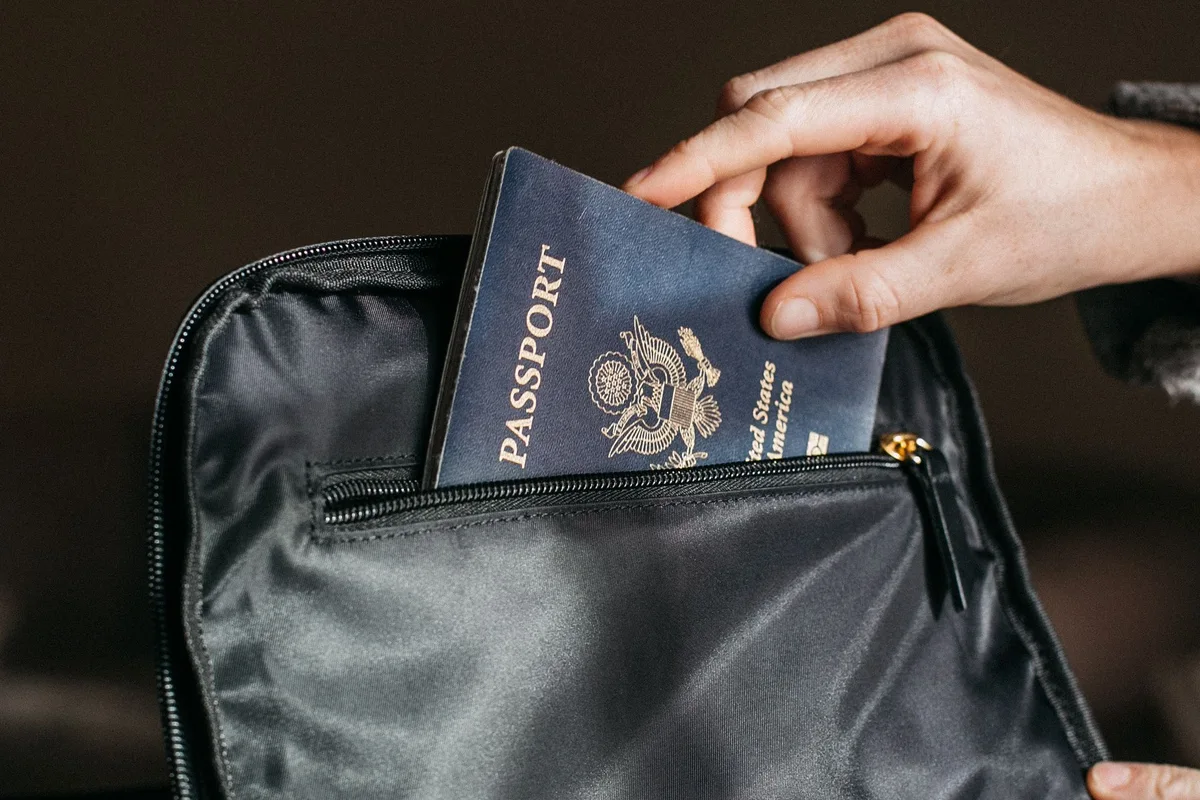
| Passport, I-94 and entry stamps | Proof of inspection and admission or parole |
| Birth and marriage certificates, prior divorce decrees | Identity and the family relationship |
| Forms I-765 and I-131 (optional) | Work permit and advance parole while waiting |
| Police and court records (if any) | Every arrest or charge, regardless of outcome |
After filing, USCIS schedules biometrics at an Application Support Center, may send a request for evidence, and decides whether an interview is needed. If one is scheduled, you bring the originals of everything you submitted, including passports and Form I-94, even if they are expired.
TN visa workers married to U.S. citizens
The firm's site covers this route. A TN worker married to a U.S. citizen can apply for adjustment of status from within the U.S., with the I-130 petition, the I-485 application and the I-864 affidavit of support. The trade-offs are timing ones: what happens to TN renewals once a green card case is pending, gaps in status or work authorization, and travel until advance parole is issued. We map those out with you before filing.
Read more
- What is adjustment of status? covers the steps in plain English.
- The marriage green card process for spouses already in the U.S. walks through the most common adjustment case.
- What happens at a marriage green card interview explains the interview.
- See also marriage-based green cards and family immigration .
Frequently asked questions
Adjustment of status is applying for a green card on Form I-485 while you are physically present in the United States. Consular processing is applying for an immigrant visa at a U.S. embassy or consulate abroad. Which one fits depends on where the applicant is, how they entered and their immigration history.
Only with an advance parole document from Form I-131. Generally, if you leave the United States without it while your Form I-485 is pending, USCIS considers the application abandoned. Some visa holders have other options, so ask before you book anything.
The request lists what is missing, where to send it and the deadline. If you do not respond in time, the officer may deny the application. A complete, organized response is the goal.
Still have questions?
Tell Neal about your situation and discuss the next step.
Let’s talk about your next step
Call Neal E. Guttenberg or send an inquiry to request a consultation by phone, video or in person.
